Al-Jazeerah

ccun

Books About Islam

By Hasan Ali El-Najjar
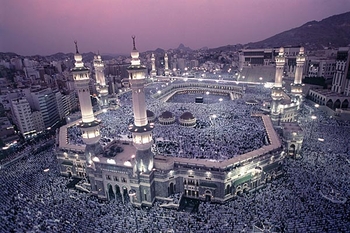
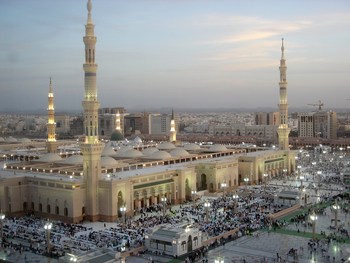
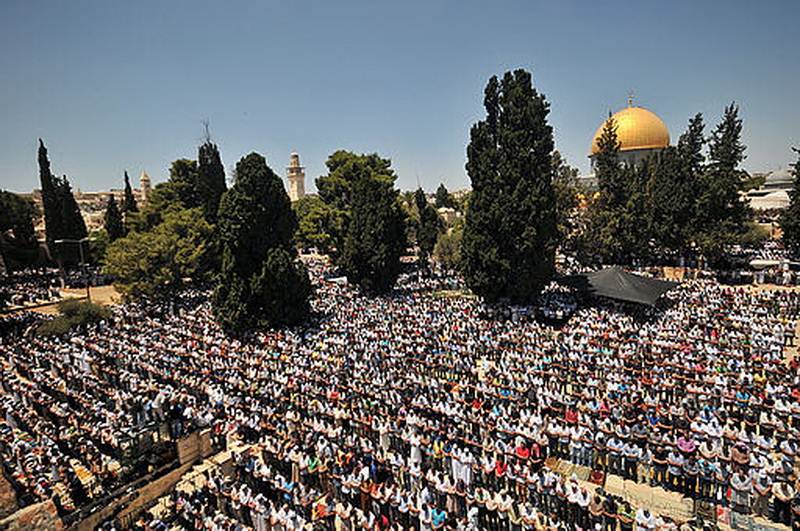
Al-Haram Mosque in Makkah The Prophet's Mosque in Madinah . Al-Aqsa Mosque Compound in Jerusalem


***


***


Book I: Islam: A Scientific View of God's Message to Humanity


1. Islam: A Brief Introduction


2. Three Levels of Faith: Islam, Iman, and I'hsan 


3. The Scientific Evidence That God Exists and the Holy Qur'an Is His Message to Humanity 


4. Creation and Evolution in the Holy Qur'an


5. Humans, As God's Caliphs on Earth


6. Adam's Contest With the Angels, and Getting Out of Paradise


7. Worshippers By Choice Or Forced Slaves?  


8. The Relationship Between the Spiritual and the Physical Aspects of Islamic Teachings  


9. Spirit, Soul, Mind, Self, and Happiness, from an Islamic Perspective


10. Heart-Mind Relationship in the Holy Qur'an  


Book II. A Scientific View of the Five Pillars of Islam


1. Islamic Proclamation of Faith


2. Performing Islamic Prayers


3. Giving Zakah (Charity)


4. Fasting and Ramadhan, Great Gifts from Allah to Muslims


5. Haj, Pilgrimage, the Fifth Pillar of Islam


Book III. Allah, Praise to Him


1. God’s Physical Features


2. Why Did Allah Create Humans?


3. Methodological Background of Writing About the Good Names of Allah


4. The Full List of the Good Names of Allah


5. Verbal Names, Unique Qualities Denied to Others, and Deducted Traits


Book IV. Messengers of Allah to His Human Caliphs on the Earth


1. Messengers, Prophets, Miracles, and Prophecies


2. Messengers of Allah and His Prophets, Mentioned in the Holy Quran


3. Angels: The Honorable Worshippers of Allah


4. Noo'h (Noah): The Ark Builder, in the Holy Quran  


5. Ibraheem (Abraham), God's Good Friend, in the Holy Quran


6. Moosa (Moses): The Messenger Supported with Nine Miracles, in the Holy Quran


7. 'Eisa, Jesus, the Son of Mary: God's Creation Miracle, in the, Holy Quran  


8. Mu'hammed: God’s Mercy to the Worlds,  in the Holy Quran


9. Prophet Mu'hammed's Night Journey and Ascent to Heavens, Al-Isra Wal Mi'raj 


Book V. The Last Day, God’s Precise Measurement, and His Just Decrees


1. Signs of the Hour


2. The Last Day and its Four Main Events: The Hour, Resurrection, Reckoning, and Judgment


3. God's Precise Measurement and His Just Decree (Al-Qadar Wal Qadha)


Book VI. I'hsan: Watching Allah in What We Say and What We Do


1. Introduction to Islamic Law, (Shari'a), Part I: Commands of  Prohibition and Admonition, the Holy Quran 


2. Introduction to Islamic Law (Shari'a),  Part II: The "No" Commands in the Holy Quran 


Book VII. I'hsan: Watching Allah in What We Say and What We Do


Introduction to Islamic Shari’a: Imperative Commands of Justice and Righteousness, in the Holy Quran


 ***


Articles with Islamic Perspective:


Health Care Crisis in the US: An Islamic Perspective


"Terrorism" & "Islamo-Fascism" Propaganda Campaigns: An Interactive Lecture


Six Questions About Islam, Muslims and Jews


Five Islamic Issues: Predestination and choice, position toward other religions, angels, and the End of Days

Food Islamic Rules and Teachings  


Are Muslim women second-class citizens  


The French Ban on Islamic Headscarf, an Interview with


Links to Islamic Topics


Links to Islamic Topics 2007


Links to Islamic topics 2006


Links to Islamic topics 2005


Links to Islamic topics 2004


Links to Islamic topics, 2003  


2002 Links to Islamic topics


Book 4


Messengers of Allah to His Human Caliphs,

on the Earth


***

Chapter 4


Noo'h (Noah), the Ark Builder

in the Holy Quran


By Hasan Ali El-Najjar


Updated on 25th of Dthul Qi'da, 1440 - 27th of July, 2019


***


ÃÚæÐõ ÈÇááåö ãäó ÇáÔíØÇäö ÇáÑÌíã

ÈöÓúãö ÇááøóÜåö ÇáÑøóÍúãóÜٰäö ÇáÑøóÍöíãö


I seek refuge with God from the Stoned Shaytan (Satan)

In the name of Allah, the Beneficent, the Merciful


áóÞóÏú ÃóÑúÓóáúäóÇ äõæÍðÇ Åöáóìٰ Þóæúãöåö ÝóÞóÇáó íóÇ Þóæúãö ÇÚúÈõÏõæÇ Çááøóåó ãóÇ áóßõã ãøöäú Åöáóٰåò ÛóíúÑõåõ Åöäøöí ÃóÎóÇÝõ Úóáóíúßõãú ÚóÐóÇÈó íóæúãò ÚóÙöíãò (ÇáÃÚúÑóÇÝõ ¡ 7: 59).


We had certainly sent (as a Messenger) Noah to his people, and he said: "O my people, worship Allah; you have no other deity than Him. Indeed, I fear for you the torment of a tremendous Day (Al-A’araf, 7: 59).


*** 


Introduction 


As time passed after Adam, peace be upon him (pbuh), humans started to forget God’s Message of Guidance to them, which leads them to live happily in this lower life, and to win the reward waiting for them in the Hereafter, in return for their good behavior.


Then, they reached a stage in which they almost forgot about the Message completely. They even worshipped statues of good men who died a long time before them. These were Wad, Suwa', Yaghouth, Ya'ouq, and Nasr, as mentioned in verse 71: 23, who were Adam's children, according to some scholars. 


æóÞóÇáõæÇ áóÇ ÊóÐóÑõäøó ÂáöåóÊóßõãú æóáóÇ ÊóÐóÑõäøó æóÏøðÇ æóáóÇ ÓõæóÇÚðÇ æóáóÇ íóÛõæËó æóíóÚõæÞó æóäóÓúÑðÇ  (äæÍ ¡ 71: 23). 


And they said, 'Never leave your gods and never leave Wad, nor Suwa', nor Yaghouth, (nor) Ya'ouq, and (nor) Nasr (Noo'h, 71: 23).  


So, Allah, praise to Him in His highness (sub’hanahu wa ta’ala, ÓõÈúÍóÇäóåõ æóÊóÚóÇáóì), sent Noo'h (Noah), pbuh, to guide them to the right path. He told them to worship Allah, instead of the helpless statues which they used to make. 


The story of Noo’h (Noah), pbuh, informs us that he was one of the Messengers of Allah (Al-A’araf, 7: 59), whom He sent with new laws (Al-Shoora, 42: 13), and that He took from them a strong covenant, to tell His Messages to people (Al-A’hzab, 33: 7). Among them were the “Messengers with Determination” (Ulul ‘Azm: Ãõæáõæ ÇáúÚóÒúãö), whom He described as patient, (Al-A’hqaf, 46: 35), in conducting their missions. [1]


áóÞóÏú ÃóÑúÓóáúäóÇ äõæÍðÇ Åöáóìٰ Þóæúãöåö ÝóÞóÇáó íóÇ Þóæúãö ÇÚúÈõÏõæÇ Çááøóåó ãóÇ áóßõã ãøöäú Åöáóٰåò ÛóíúÑõåõ Åöäøöí ÃóÎóÇÝõ Úóáóíúßõãú ÚóÐóÇÈó íóæúãò ÚóÙöíãò (ÇáÃÚúÑóÇÝõ ¡ 7: 59).


We had certainly sent (as a Messenger) Noah to his people, and he said: "O my people, worship Allah; you have no other deity than Him. Indeed, I fear for you the torment of a tremendous Day (Al-A’araf, 7: 59).


The poor and the powerless believed in him and accepted the Message he delivered to them. However, the powerful ones among his people rejected the Message, despised the believers, ridiculed him, and even challenged him to bring on them the God punishment, which he was threatening them with.


Noo’h (Noah), pbuh, lived among his people 950 years, inviting them to the worship of Allah (Al-‘Ankaboot, 29: 14). However, most of his people did not believe in him, and the eminent among them said to him: “We see you in a clear misguidance” (Al-A’araf, 7: 60), and "we do not see you followed, except by those who are the lowest of us” (Hood, 11: 27). Moreover, they threatened to stone him if he would not stop inviting them to worship Allah. They said: "If you do not desist, O Noo’h (Noah), you will surely be of those who are stoned" (Al-Shu’ara, 26: 116). [2] 


Then, Noo’h (Noah), pbuh, supplicated against them, saying: “My Lord, indeed, my people have disbelieved (denied) me (117), judge between me and them, with decisive judgment, and save me and those with me of the believers" (118) (Al-Shu’ara, 26: 117-118), and he added: :My Lord, do not leave upon the land from among the disbelievers an inhabitant (Noo’h, 71: 26).


To save Noo'h and the believers, as well as the animals they domesticated, Allah, praise to Him, ordered him to build the ship (the Ark), which he and the believers did, with help from Allah and His Angels. 


Whenever the disbelievers used to pass by him, they would ridicule him for building a ship in an area which was far away from rivers, lakes, or seas. 


Allah told Noo'h about a sign, when he would see it, he should embark on the ship, together with the believers. That was when the fireplace in his home would be overflown with water, falling from the sky and coming out from the underground. This meant that people could no longer make fire, necessary for food, washing, and other usages. 


When Noo'h saw the sign, he embarked on the ship together with the believers, and their animals, with help from angels. However, Noo'h's wife and one of his sons refused to embark because they were disbelievers. 


Noo'h did not know that his son was a disbeliever, which was why he asked Allah to save him but Allah, praise to Him, told Noo'h that his son was not a good person. Therefore, he was left to drown on top of a mountain that he took refuge on (Hood, 11: 37-48; Noo’h, 71: 1-28).  


The ship floated, saving the believers and their animals while the disbelievers drowned. 


Then, Allah, praise to Him, ordered the sky to stop raining and the land to swallow its water, thus allowing the ship to settle on top of the Mountain Joudiy, which is believed to be in today’s northern Iraq or southern Turkey, according to some interpreters. 


The believers and their animals disembarked the ship and started their new community.  


The story of Noo'h and his people is very educational to humanity. It's about worshipping Allah, praise to Him, by being good to ourselves, to each-other, and to the environment. Otherwise, it's easy for Him to punish the disbelievers and replace them with good and kind-hearted believers. 


In its educational purposes, it's similar to the stories of other Messengers of Allah, namely Hood, Sali’h, Loot (Lot), Moosa (Moses), and 'Eisa (Jesus), peace be upon them all, who were sent with God's Messages to their peoples. When the disbelievers and aggressors of their time insisted on their arrogance and corruption, Allah, Almighty, destroyed them.  


In addition to the story of Noo'h (Noah), pbuh, this Chapter addresses some of the related issues, such as the flood location, the embarked animals, the scope of Noo’h’s message, and the divine justice.


***


The Flood Location


Scientifically speaking, geologists argue that there were floods in specific locations on the Earth, but not on the planet as a whole, at the same time. For example, one of these floods occurred in northern Iraq about 4,900 years ago, according to one account, and about 7,600 years ago, according to another account. It was caused by a huge flood covering the Black Sea and its surroundings, as a result of flooding the Mediterranean Sea. Much earlier, about 5 million years ago, the Mediterranean Sea and its surroundings were flooded by water from the Atlantic Ocean. [3]


Thus, the discussion of this topic is not about whether there was a global flood or not. Rather, it is about the interpretations of the related Holy Quran verses.


The general view about the Noo’h (Noah) flood has been that it covered the whole planet of the Earth, which has been the main view of many Muslim scholars, such as the three renowned interpreters of the Holy Quran: Al-Tabari, Al-Qurtubi, and Ibn Katheer, as well as the view of mainstream biblical scholars.


According to this general view, there were no other population groups on the Earth than Noo’h’s people, who were destroyed by the flood because of their disbelief. Only the few believers survived, by embarking on the ship (Ark). Thus, all humans of today are their direct descendants, according to their interpretation of verse 69: 11. [4]


ÅöäøóÇ áóãøóÇ ØóÛóì ÇáúãóÇÁõ ÍóãóáúäóÇßõãú Ýöí ÇáúÌóÇÑöíóÉö  ý﴿١١﴾ áöäóÌúÚóáóåóÇ áóßõãú ÊóÐúßöÑóÉð æóÊóÚöíóåóÇ ÃõÐõäñ æóÇÚöíóÉñ ý﴿١٢﴾þ (ÇáúÍóÇÞøóÉõ ¡ 69: 1-121).  


Indeed, when the water overflowed, We carried you (your ancestors) in the sailing ship (11) That We might make it for you a reminder and (that) a conscious ear would be conscious of it. (12) (Al-‘Haaqqa, 69: 11-12).

Some interpretations even limit today’s humans to be only as Noo’h’s descendants, using verse 37: 77 as the basis for such interpretations.


æóÌóÚóáúäóÇ ÐõÑöøíøóÊóåõ åõãõ ÇáúÈóÇÞöíäó (ÇáÕøóÇÝøóÇÊõ ¡ 37: 77).


And We made his (Noo’h’s) descendants those remaining (Al-Saffat, 37: 77).


Discussing this general view using the contexts of verse 69: 11 and verse 69: 12) leads to a different interpretation. Verses 69: 1-10 remind us of God’s punishment of the

population groups which rejected His messages to them. These included Noo’h’s people, ‘Aad, Thamood, the Overturned (Ruined) Cities, and the Pharaoh people. In addition, these punished population groups are mentioned in other Sooras (chapters) of the Holy Quran, such as in verses 38: 12-14, as follows:


ßóÐøóÈóÊú ÞóÈúáóåõãú Þóæúãõ äõæÍò æóÚóÇÏñ æóÝöÑúÚóæúäõ Ðõæ ÇáúÃóæúÊóÇÏö ﴿١٢﴾ æóËóãõæÏõ æóÞóæúãõ áõæØò æóÃóÕúÍóÇÈõ ÇáúÃóíúßóÉö ۚ ÃõæáóÜٰÆößó ÇáúÃóÍúÒóÇÈõ ﴿١٣﴾ Åöä ßõáøñ ÅöáøóÇ ßóÐøóÈó ÇáÑøõÓõáó ÝóÍóÞøó ÚöÞóÇÈö ﴿١٤﴾ (Õó ¡ 38: 12-14).


The people of Noo’h (Noah) denied before them, and (so did the peoples of) 'Aad and Pharaoh, the owner of stakes, (12) as well as Thamood and the people of  Loot (Lot) and the companions of the Thicket. Those are the parties (of disbelievers). (13) Each of them denied the messengers. So, (the) punishment was justified. (14) (Sad, 38: 12-14).


Then, verses 69: 13-37 tell us about the hereafter, including the rewards awaiting the believers and the punishment awaiting the disbelievers.


Verses 69: 38-52 are directed towards the Arabs at the time of the revelation, urging them to believe in God’s Message, sent to them through His Messenger, Mu’hammed, pbbuh, to avoid punishment in this lower life and in the hereafter, like that which happened to the previously mentioned disbelieving population groups.


An alternative interpretation of verse 37: 77 is that Noo'h's descendants remained (survived) after the flood, in comparison with the disbelievers, who died in it, but it does not mean that all humans are Nooh's descendants. This interpretation is supported by verse 17: 3, which states that Children of Israel were not descendants of Noo'h (Noah). Rather, they were descendants of the believers, who were carried on the ship with him.


ÐõÑøöíøóÉó ãóäú ÍóãóáúäóÇ ãóÚó äõæÍòۚ Åöäøóåõ ßóÇäó ÚóÈúÏðÇ ÔóßõæÑðÇ (ÇáÅÓúÑóÇÁõ ¡ 17: 3).   


O descendants of those We carried (in the ship) with Noo'h (Noah). Indeed, he was a grateful worshipper (Al-Isra, 17: 3)


Further, verse 37: 77 can be understood to apply to Arabs, who were descendants of the flood survivors, but it does not apply to other population groups, which were not targeted by the flood, as stated in verse 11: 48.

Þöíáó íóÇ äõæÍõ ÇåúÈöØú ÈöÓóáóÇãò ãöøäøóÇ æóÈóÑóßóÇÊò Úóáóíúßó æóÚóáóìٰ Ãõãóãò ãöøãøóä ãøóÚóßó ۚ æóÃõãóãñ ÓóäõãóÊöøÚõåõãú Ëõãøó íóãóÓøõåõã ãöøäøóÇ ÚóÐóÇÈñ Ãóáöíãñ (åõæÏõ ¡ 11: 48).  


It was said, "O Noo'h (Noah), disembark (from the ship) in peace from Us and blessings upon you and upon nations (descending from) those with you, and nations (to whom) We will grant enjoyment; then there will touch them from Us a painful punishment" (Hood, 11: 48). 


Concerning verse 37: 77, it can be interpreted to mean that Noo’h’s descendants were those remaining of the people who experienced the flood, not necessarily of all humankind.


***


An alternative view of the flood location has been emerging by a growing number of contemporary Islamic and biblical scholars, who argue that the flood was limited to the specific area where Noo'h's people lived, probably in northern Iraq. Whether the flood covered a specific location only, or the whole Earth is an interesting issue for researchers and students of the Holy Quran. [5]


The Islamic and biblical scholars who argue that the flood covered the whole Earth use two main hints. The first is the Arabic word (ÃÑÖ) /ardh/, which they understood to mean "Earth," instead of “land.” The second is the mentioning of pairs of animals, which embarked on the ship (the Ark), together with the believers. Translations of the Holy Quran from Arabic to English provide examples of how these two topics were addressed.


In the year 1440 (2019), there were 17 English translations of the Holy Quran posted on www.tanzil.net. In all of them, the word (ÃÑÖ) /ardh/ was translated as “earth,” in Verse 11: 44, as follows: 

æóÞöíáó íóÇ ÃóÑúÖõ ÇÈúáóÚöí ãóÇÁóßö (åõæÏõ ¡ 11: 44). 


And it was said, "O ardh (earth), swallow your water (Hood, 11: 44). 


This may be a suitable translation, as it is related to the flood water to be drained (swallowed) inside the surface of the land (earth). However, it does not indicate that this happened in the planet as a whole, as the water is drained in specific locations all over the world.


Some differences happened in translating the same word in another verse (71: 26). In 3 out of the 17 translations, the word /ardh/ was translated as “land,” as follows: [6]


æóÞóÇáó äõæÍñ ÑøóÈöø áóÇ ÊóÐóÑú Úóáóì ÇáúÃóÑúÖö ãöäó ÇáúßóÇÝöÑöíäó ÏóíøóÇÑðÇ  (äõæÍõ ¡ 71: 26). 


And Noo’h (Noah) said, "My Lord, do not leave upon the ardh (Land / earth) from among the disbelievers an inhabitant (Noo'h, 71: 26). 


There is ample evidence from the Holy Quran that the Arabic word (ÃÑÖ) /ardh/ means land, in addition to meaning “Earth” (the planet).

One example, in which the word means “Earth” (the planet) unequivocally, is when Allah, praise to Him, mentions His creation and ownership of the heavens and the Earth, as in verse 11: 7.


æóåõæó ÇáøóÐöí ÎóáóÞó ÇáÓøóãóÇæóÇÊö æóÇáúÃóÑúÖó Ýöí ÓöÊøóÉö ÃóíøóÇãò æóßóÇäó ÚóÑúÔõåõ Úóáóì ÇáúãóÇÁö (åõæÏõ ¡ 11: 7).


And it is He who created the heavens and the Earth in six days and His Throne had been upon water (Hood, 11: 7).


Another example is verse 2: 30, which tells us about God’s will to make humans rulers (Caliphs) on the Earth.


æóÅöÐú ÞóÇáó ÑóÈøõßó áöáúãóáóÇÆößóÉö Åöäöøí ÌóÇÚöáñ Ýöí ÇáúÃóÑúÖö ÎóáöíÝóÉð ۖ  (ÇáúÈóÞóÑóÉõ ¡ 2: 30).


And when your Lord said to the angels: ”I am making a (human) caliph on the Earth  Al-Baqara, 2: 30).


However, the same Arabic word / ardh / also means ground, land, territory, or country, depending on the context. Thus, it cannot be translated as (Planet) "Earth" in all contexts.  

For example, in the following verses, the word /ardh/ means land or a specific territory. It refers to the Egyptian Sinai Desert in verse 5: 26 and the country of Egypt in verse 28: 4.  


In 7 out of the 17 English translations of the Holy Quran, the word /ardh/ was translated as "land," as in verse 5: 26. However, it was translated incorrectly as "earth" (the planet) in the other ten translations. [7]


ÞóÇáó ÝóÅöäøóåóÇ ãõÍóÑøóãóÉñ Úóáóíúåöãú ÃóÑúÈóÚöíäó ÓóäóÉð íóÊöíåõæäó Ýöí ÇáúÃóÑúÖö ÝóáóÇ ÊóÃúÓó Úóáóì ÇáúÞóæúãö ÇáúÝóÇÓöÞöíäó (ÇáúãóÇÆöÏóÉõ ¡ 5: 26).   


(Allah) said: "Then, indeed, it is forbidden to them, for forty years, (in which) they wander throughout the ardh (land or territory of Sinai). So, do not grieve over the defiantly disobedient people" (Al-Ma-ida, 5: 26). 


The meaning of the word /ardh/ becomes clearer in verse 28: 4 as "land" (country), with 13 out of the 17 English translations translating it as such: [8]


Åöäøó ÝöÑúÚóæúäó ÚóáóÇ Ýöí ÇáúÃóÑúÖö æóÌóÚóáó ÃóåúáóåóÇ ÔöíóÚðÇ íóÓúÊóÖúÚöÝõ ØóÇÆöÝóÉð ãöøäúåõãú íõÐóÈöøÍõ ÃóÈúäóÇÁóåõãú æóíóÓúÊóÍúíöí äöÓóÇÁóåõãú ۚ Åöäøóåõ ßóÇäó ãöäó ÇáúãõÝúÓöÏöíäó  (ÇáúÞóÕóÕõ ¡ 28: 4).  


Indeed, Pharaoh exalted himself in the ardh (land of Egypt) and made its people into factions, oppressing a sector among them, slaughtering their (newborn) sons and keeping their females alive. Indeed, he was of the corrupters (Al-Qasas, 28: 4).  


Thus, the argument that the flood covered the whole planet of the Earth could have been as a result of confusing the meaning of this Arabic word /ardh/ (a form of which is also found in the Hebrew part of the Bible).


The Ark Animals


Concerning the mention of embarking pairs of animals on the ship, in addition to the believers, it was mentioned in verses 11:40 and 23: 27. 


... ÞõáúäóÇ ÇÍúãöáú ÝöíåóÇ ãöä ßõáòø ÒóæúÌóíúäö ÇËúäóíúäö ... (åõæÏõ ¡ 11 : 40). 


... ÝóÇÓúáõßú ÝöíåóÇ ãöä ßõáòø ÒóæúÌóíúäö ÇËúäóíúäö ... (ÇáúãõÄúãöäõæäó ¡ 23: 27).


… We said: "Carry upon it (the ship) of each pair two mates (of males and females)” … (Hood, 11: 40).


“… put into it (the ship) of each pair two mates (of males and females)” … (Al-Muminoon, 23: 27).


The general interpretation of these verses, by Islamic (and biblical) scholars, has been that the words “of each pair” refer to all animals on the planet. This is of course possible if Allah willed it and ordered His angels to do it (by bringing animals from all continents, putting them on the ship, providing them with food, and keeping the peace among them).

However, these verses tell us that the task was given to Noo’h, the human being, not to the angels, which was impossible for him to do it as such.


The possible thing for Noo’h and the few believers with him was to take their domesticated animals with them on the ship, as they needed these animals during the period of the flood and after. This interpretation is supported by verses 16: 5-8 of the Holy Quran, which mention pairs of the Middle Eastern domesticated animals and their benefits to people.


æóÇáúÃóäúÚóÇãó ÎóáóÞóåóÇ ۗ áóßõãú ÝöíåóÇ ÏöÝúÁñ æóãóäóÇÝöÚõ æóãöäúåóÇ ÊóÃúßõáõæäó ﴿٥﴾ æóáóßõãú ÝöíåóÇ ÌóãóÇáñ Íöíäó ÊõÑöíÍõæäó æóÍöíäó ÊóÓúÑóÍõæäó ﴿٦ æóÊóÍúãöáõ ÃóËúÞóÇáóßõãú Åöáóìٰ ÈóáóÏò áøóãú ÊóßõæäõæÇ ÈóÇáöÛöíåö ÅöáøóÇ ÈöÔöÞöø ÇáúÃóäÝõÓö ۚ Åöäøó ÑóÈøóßõãú áóÑóÁõæÝñ ÑøóÍöíãñ ﴿٧ æóÇáúÎóíúáó æóÇáúÈöÛóÇáó æóÇáúÍóãöíÑó áöÊóÑúßóÈõæåóÇ æóÒöíäóÉð ۚ æóíóÎúáõÞõ ãóÇ áóÇ ÊóÚúáóãõæäó ﴿٨ (ÇáäøóÍúáõ ¡ 16: 5-8). 


And the grazing livestock (domesticated animals) He has created for you; in them is warmth and benefits, and from them you eat. (5


And for you in them is (the enjoyment of) beauty when you bring them in (for the evening) and when you send them out (to pasture in the morning). (6)  


And they carry your loads to a land you could not have reached except with difficulty to yourselves. Indeed, your Lord is Kind and Merciful. (7


And (He created) the horses, mules, and donkeys for you to ride and (as) adornment. And He creates that which you do not know (8) (Al-Na'hl, 16: 5-8). 


Further, and more specifically, Allah, praise to Him, mentions pairs of domesticated animals, in verses 6: 142-144, as follows:     


æóãöäó ÇáúÃóäúÚóÇãö ÍóãõæáóÉð æóÝóÑúÔðÇ ۚ ßõáõæÇ ãöãøóÇ ÑóÒóÞóßõãõ ÇááøóÜåõ ... (ÇáÃäúÚóÇãõ ¡ 6: 142). 


ËóãóÇäöíóÉó ÃóÒúæóÇÌò ۖ ãöøäó ÇáÖøóÃúäö ÇËúäóíúäö æóãöäó ÇáúãóÚúÒö ÇËúäóíúäö ... (ÇáÃäúÚóÇãõ ¡ 6: 143). 


æóãöäó ÇáúÅöÈöáö ÇËúäóíúäö æóãöäó ÇáúÈóÞóÑö ÇËúäóíúäö ... (ÇáÃäúÚóÇãõ ¡ 6: 144). 


And of the grazing livestock are carriers and (others whose hides are used as) furniture. Eat of that which Allah has provided for you ... (142)  

(These are) eight mate-pairs: Of the sheep two and of the goats two ...  (143


And of the camels two and of the cattle two …(144) (Al-An'am, 6: 142-144). 


Thus, a possible and logical interpretation of verse 11: 40 is that the words "each pair" refer to the above-mentioned four pairs of domestic animals, but Allah, praise to Him, knows better. 


Was Noo’h Sent to his People Only, or to Humanity as a Whole?


Verses 7: 59, 11: 25, 23: 23, and 71: 1 of the Holy Quran tell us clearly that Noo’h, pbuh, was sent to his people only. There is no mention or even a hint that he was sent to humanity as a whole, as we read in these verses:


áóÞóÏú ÃóÑúÓóáúäóÇ äõæÍðÇ Åöáóìٰ Þóæúãöåö ÝóÞóÇáó íóÇ Þóæúãö ÇÚúÈõÏõæÇ ÇááøóÜåó ãóÇ áóßõã ãöøäú ÅöáóÜٰåò ÛóíúÑõåõ (ÇáÃÚúÑóÇÝõ ¡ 7: 59).  


æóáóÞóÏú ÃóÑúÓóáúäóÇ äõæÍðÇ Åöáóìٰ Þóæúãöåö Åöäöøí áóßõãú äóÐöíÑñ ãøõÈöíäñ (åõæÏõ ¡ 11: 25).


æóáóÞóÏú ÃóÑúÓóáúäóÇ äõæÍðÇ Åöáóìٰ Þóæúãöåö ÝóÞóÇáó íóÇ Þóæúãö ÇÚúÈõÏõæÇ ÇááøóÜåó ãóÇ áóßõã ãöøäú ÅöáóÜٰåò ÛóíúÑõåõ ۖ ÃóÝóáóÇ ÊóÊøóÞõæäó (ÇáúãõÄúãöäõæäó ¡ 23: 23). 


ÅöäøóÇ ÃóÑúÓóáúäóÇ äõæÍðÇ Åöáóìٰ Þóæúãöåö Ãóäú ÃóäÐöÑú Þóæúãóßó ãöä ÞóÈúáö Ãóä íóÃúÊöíóåõãú ÚóÐóÇÈñ Ãóáöíãñ (äõæÍõ ¡ 71: 1).  


We had certainly sent Noo'h (Noah) to his people, and he said: "O my people! Worship Allah; you have no other deity than Him (Al-A’raf, 7: 59).


And We had sent Noo'h (Noah) to his people, (saying): "Indeed, I am to you a clear warner


And We had sent Noo'h (Noah) to his people, and he said: "O my people, worship Allah; you have no other deity than Him. Do you not fear (His punishment)?"


Indeed, We sent Noo'h (Noah) to his people, (saying to him): "Warn your people before there comes to them a painful torment" (Noo’h, 71: 1).


Further, verse 11: 48 mentions that there were other population groups, which enjoyed a prosperous life, also after the flood. Thus, this is another piece of evidence that the flood was a local event, affecting Noo’h’s people, not a global event affecting other population groups on Earth.


Þöíáó íóÇ äõæÍõ ÇåúÈöØú ÈöÓóáóÇãò ãöøäøóÇ æóÈóÑóßóÇÊò Úóáóíúßó æóÚóáóìٰ Ãõãóãò ãöøãøóä ãøóÚóßó ۚ æóÃõãóãñ ÓóäõãóÊöøÚõåõãú Ëõãøó íóãóÓøõåõã ãöøäøóÇ ÚóÐóÇÈñ Ãóáöíãñ (åõæÏõ ¡ 11: 48).


It was said, "O Noo’h (Noah), disembark (descend from the Ark) in peace from Us and blessings upon you and upon nations (descending) from those with you, as well as nations which We will grant enjoyment. Then, there will touch them from Us a painful torment" (Hood, 11: 48).


A comparison between the missions of Noo’h and Mu’hammed, peace and blessings of Allah be upon them, (pbbut), clarifies this issue further. While the four verses mentioned above show that Noo’h was sent to his people only, verse 34: 28 shows that Mu’hammed, pbbuh, was declared as God’s Messenger to humanity, as a whole. Verse 21: 107 even states that he was God’s Messenger to humans and other intelligent beings as well.


æóãóÇ ÃóÑúÓóáúäóÇßó ÅöáøóÇ ßóÇÝøóÉð áöøáäøóÇÓö ÈóÔöíÑðÇ æóäóÐöíÑðÇ æóáóÜٰßöäøó ÃóßúËóÑó ÇáäøóÇÓö áóÇ íóÚúáóãõæäó (ÓóÈóÃõ ¡ 34: 28).


And We have not sent you except (to be Our Messenger) to all people (humanity), as a bringer of good tidings and a warner. But most of the people do not know (Saba, 34: 28).


æóãóÇ ÃóÑúÓóáúäóÇßó ÅöáøóÇ ÑóÍúãóÉð áöøáúÚóÇáóãöíäó (ÇáÃäúÈöíóÇÁõ ¡ 21: 107).


And We have not sent you (O Muhammad), except (to be) as a mercy to the Worlds (Al-Anbiya, 21: 107).

The word “Worlds” in verse 21: 107 above refers to the inhabitants of the heavens, the Earth, and other habitats for living beings between them. [9]


Moreover, Prophet Mu’hammed, pbbuh, demonstrated that he was tasked as God’s final Messenger to humanity. He did not limit his mission to the people of Makkah, or even Arabia. He actually extended it to people in other regions known to him in Asia and Africa. Moreover, he surrounded himself with African, Persian, and Roman companions, in addition to Arabs. [10]


Divine Justice


The most decisive evidence from the Holy Quran about the flood, as a specific punishment inflicted on the people of Noo'h (Noah), not for the whole planet of the Earth, comes from verses 25: 35-40, which tell us that they were punished just like other disbelievers in other specific times and specific locations.  


ÈöÓúãö ÇááøóÜåö ÇáÑøóÍúãóÜٰäö ÇáÑøóÍöíãö  

æóáóÞóÏú ÂÊóíúäóÇ ãõæÓóì ÇáúßöÊóÇÈó æóÌóÚóáúäóÇ ãóÚóåõ ÃóÎóÇåõ åóÇÑõæäó æóÒöíÑðÇ ý﴿٣٥﴾þ ÝóÞõáúäóÇ ÇÐúåóÈóÇ Åöáóì ÇáúÞóæúãö ÇáøóÐöíäó ßóÐøóÈõæÇ ÈöÂíóÇÊöäóÇ ÝóÏóãøóÑúäóÇåõãú ÊóÏúãöíÑðÇ ý﴿٣٦﴾þ æóÞóæúãó äõæÍò áøóãøóÇ ßóÐøóÈõæÇ ÇáÑøõÓõáó ÃóÛúÑóÞúäóÇåõãú æóÌóÚóáúäóÇåõãú áöáäøóÇÓö ÂíóÉð ۖ æóÃóÚúÊóÏúäóÇ áöáÙøóÇáöãöíäó ÚóÐóÇÈðÇ ÃóáöíãðÇ ý﴿٣٧﴾þ æóÚóÇÏðÇ æóËóãõæÏó æóÃóÕúÍóÇÈó ÇáÑøóÓøö æóÞõÑõæäðÇ Èóíúäó Ðóٰáößó ßóËöíÑðÇ ý﴿٣٨﴾þ æóßõáøðÇ ÖóÑóÈúäóÇ áóåõ ÇáúÃóãúËóÇáó ۖ æóßõáøðÇ ÊóÈøóÑúäóÇ ÊóÊúÈöíÑðÇ ý﴿٣٩﴾þ æóáóÞóÏú ÃóÊóæúÇ Úóáóì ÇáúÞóÑúíóÉö ÇáøóÊöí ÃõãúØöÑóÊú ãóØóÑó ÇáÓøóæúÁö ۚ ÃóÝóáóãú íóßõæäõæÇ íóÑóæúäóåóÇ ۚ Èóáú ßóÇäõæÇ áóÇ íóÑúÌõæäó äõÔõæÑðÇ ý﴿٤٠﴾þ (ÇáúÝõÑúÞóÇäõ ¡ 25: 35-40). 


In the name of Allah, the Beneficent, the Merciful  


And indeed, We gave Moosa (Moses) the Scripture (the Torah), and placed his brother Haroon (Aaron) with him as a helper (partner in responsibility); (35)  


And We said: "Go, you both, to the people who have denied Our Signs (pieces of evidences)." Then We destroyed them with utter destruction. (36)  


And the people of Noo'h (Noah), when they denied the Messengers, We drowned them, and We made them as a sign for humanity. And We have prepared a painful torment for the oppressors (wrong-doers). (37


And 'Aad, Thamood, the dwellers of Al-Rass, and many generations in between. (38


A

nd for each of them, We put forward examples, and each (of them) We brought to utter ruin (because of their disbelief and evil deeds). (39)  

And indeed they (disbelievers) passed by the town (of Loot, Lot), which was rained (by) the destructive rain. Did they not then see it? (They did.) But they did not hope for (believe in) resurrection. (40) (Al-Furqan, 25: 35-40). 


Thus, Allah, praise to Him, the Just, the Beneficent, and the Merciful, does not punish innocent people, as He declares in verse 17: 15 of the Holy Quran:


æóãóÇ ßõäøóÇ ãõÚóÐöøÈöíäó ÍóÊøóìٰ äóÈúÚóËó ÑóÓõæáðÇ (ÇáÅÓúÑóÇÁõ ¡ 17: 15).


And We would never torment (punish) until We sent a messenger (Al-Isra, 17: 15).


Moreover, the Holy Quran does not tell us that Noo’h’s people were the only humans on the planet. Therefore, the interpretation of verse 11: 48 continues to be upheld that there were other population groups around the world, who never saw Noo'h, or heard about him. They might even have had other Messengers of God sent to them, as we learn from verse 40: 78.


æóáóÞóÏú ÃóÑúÓóáúäóÇ ÑõÓõáðÇ ãöøä ÞóÈúáößó ãöäúåõã ãøóä ÞóÕóÕúäóÇ Úóáóíúßó æóãöäúåõã ãøóä áøóãú äóÞúÕõÕú Úóáóíúßó ۗ  (ÛóÇÝöÑõ ¡ 40: 78).


And We have already sent messengers before you. Among them are those We have told you about, and among them are those We have not told you about (Ghafir, 40: 78).


Actually, all of the stories in the Holy Quran about God’s punishment were limited to specific population groups, in specific geographical locations, as were the cases of those who disbelieved God’s Messengers, namely Hood, Sali’h, Shu’ayb, Loot, Moosa, and ‘Eisa, peace and blessings of Allah be upon them all.


So, Allah, the Just, the Beneficent, and the Merciful would not cause other population groups to drown and disappear just because He wanted to punish the disobedient people of Noo'h, in a northern Iraq town.


Verses Telling the Story of Noo'h (Noah) 


The story of the Messenger of Allah, Noo'h (Noah, pbuh, and his people, as summarized above, is mainly told in three Sooras (Chapters) of the Holy Quran, particularly in 7: 59-64, 11: 25-49, 23: 23-29, and 71: 1-28.


Verses 7: 59-64 tell us that Allah, praise to Him, sent Noo'h (Noah), pbuh, as a Messenger to his people, calling on them to stop worshipping statues of false gods and to worship Allah, their Creator, instead. They not only disbelieved him but also described him as being misguided. Then, they were punished by drowning them, while saving Noo'h and the believers with him, in the ship they were instructed to build. 


ÈöÓúãö ÇááøóÜåö ÇáÑøóÍúãóÜٰäö ÇáÑøóÍöíãö


áóÞóÏú ÃóÑúÓóáúäóÇ äõæÍðÇ Åöáóìٰ Þóæúãöåö ÝóÞóÇáó íóÇ Þóæúãö ÇÚúÈõÏõæÇ ÇááøóÜåó ãóÇ áóßõã ãöøäú ÅöáóÜٰåò ÛóíúÑõåõ Åöäöøí ÃóÎóÇÝõ Úóáóíúßõãú ÚóÐóÇÈó íóæúãò ÚóÙöíãò ﴿٥٩ ÞóÇáó ÇáúãóáóÃõ ãöä Þóæúãöåö ÅöäøóÇ áóäóÑóÇßó Ýöí ÖóáóÇáò ãøõÈöíäò ﴿٦٠ ÞóÇáó íóÇ Þóæúãö áóíúÓó Èöí ÖóáóÇáóÉñ æóáóÜٰßöäöøí ÑóÓõæáñ ãöøä ÑøóÈöø ÇáúÚóÇáóãöíäó ﴿٦١ ÃõÈóáöøÛõßõãú ÑöÓóÇáóÇÊö ÑóÈöøí æóÃóäÕóÍõ áóßõãú æóÃóÚúáóãõ ãöäó ÇááøóÜåö ãóÇ áóÇ ÊóÚúáóãõæäó ﴿٦٢ ÃóæóÚóÌöÈúÊõãú Ãóä ÌóÇÁóßõãú ÐößúÑñ ãöøä ÑøóÈöøßõãú Úóáóìٰ ÑóÌõáò ãöøäßõãú áöíõäÐöÑóßõãú æóáöÊóÊøóÞõæÇ æóáóÚóáøóßõãú ÊõÑúÍóãõæäó ﴿٦٣ ÝóßóÐøóÈõæåõ ÝóÃóäÌóíúäóÇåõ æóÇáøóÐöíäó ãóÚóåõ Ýöí ÇáúÝõáúßö æóÃóÛúÑóÞúäóÇ ÇáøóÐöíäó ßóÐøóÈõæÇ ÈöÂíóÇÊöäóÇ ۚ Åöäøóåõãú ßóÇäõæÇ ÞóæúãðÇ Úóãöíäó ﴿٦٤ (ÇáÃÚúÑóÇÝõ ¡ 7: 59-64).  


In the name of Allah, the Beneficent, the Merciful  


We had certainly sent Noo'h (Noah) to his people, and he said: "O my people! Worship Allah; you have no other deity than Him. Indeed, I fear for you the torment of a tremendous Day. (59


The eminent among his people said: "Indeed, we see you in clear misguidance." (60


(Noo'h) said: "O my people, there is no misguidance in me, but I am a Messenger from the Lord of the Worlds." (61)


I convey to you messages of my Lord, and I advise you; and I know from Allah that which you do not know. (62


Do you wonder that there has come to you a reminder from your Lord, through a man from among you, to warn you, and that you may become righteous, so you may receive mercy (from Him)." (63


But they disbelieved him. So, We saved him and those who were with him in the ship, and We drowned those who disbelieved in Our Signs. Indeed, they were a blind people (who could not see the truth). (64) (Al-A'araf, 7: 59-64). 


*** 


Verses 71: 1-28 describe in some detail how Noo'h tried hard to convey God's message to his people, in different ways. He warned them of God's punishment if they persisted in rejecting His messages to them. He also reminded them of the countless favors God has showered them with. However, they still persisted on their disbelief and arrogance. When Noo'h lost hope that they would believe, he supplicated to God to destroy them. 


ÈöÓúãö ÇááøóÜåö ÇáÑøóÍúãóÜٰäö ÇáÑøóÍöíãö  


ÅöäøóÇ ÃóÑúÓóáúäóÇ äõæÍðÇ Åöáóìٰ Þóæúãöåö Ãóäú ÃóäÐöÑú Þóæúãóßó ãöä ÞóÈúáö Ãóä íóÃúÊöíóåõãú ÚóÐóÇÈñ Ãóáöíãñ ﴿١ ÞóÇáó íóÇ Þóæúãö Åöäöøí áóßõãú äóÐöíÑñ ãøõÈöíäñ ﴿٢ Ãóäö ÇÚúÈõÏõæÇ ÇááøóÜåó æóÇÊøóÞõæåõ æóÃóØöíÚõæäö ﴿٣ íóÛúÝöÑú áóßõã ãöøä ÐõäõæÈößõãú æóíõÄóÎöøÑúßõãú Åöáóìٰ ÃóÌóáò ãøõÓóãøðì ۚ Åöäøó ÃóÌóáó ÇááøóÜåö ÅöÐóÇ ÌóÇÁó áóÇ íõÄóÎøóÑõ ۖ áóæú ßõäÊõãú ÊóÚúáóãõæäó ﴿٤﴾ ÞóÇáó ÑóÈöø Åöäöøí ÏóÚóæúÊõ Þóæúãöí áóíúáðÇ æóäóåóÇÑðÇ ﴿٥ Ýóáóãú íóÒöÏúåõãú ÏõÚóÇÆöí ÅöáøóÇ ÝöÑóÇÑðÇ ﴿٦ æóÅöäöøí ßõáøóãóÇ ÏóÚóæúÊõåõãú áöÊóÛúÝöÑó áóåõãú ÌóÚóáõæÇ ÃóÕóÇÈöÚóåõãú Ýöí ÂÐóÇäöåöãú æóÇÓúÊóÛúÔóæúÇ ËöíóÇÈóåõãú æóÃóÕóÑøõæÇ æóÇÓúÊóßúÈóÑõæÇ ÇÓúÊößúÈóÇÑðÇ ﴿٧ (äõæÍõ ¡ 71: 1- 7). 


In the name of Allah, the Beneficent, the Merciful  


Indeed, We sent Noo'h (Noah) to his people, (saying to him): "Warn your people before there comes to them a painful torment." (1


He said: "O my people, indeed, I am to you a clear warner, (2


Worship Allah, be conscious of Him, and obey me. (3


(If you do) He will forgive you of your sins and delay (your reckoning) to a specified time. Indeed, the time (set by) Allah, when it comes, will not be delayed, if you only knew." (4


He said: "My Lord, indeed, I invited my people (to accept Your messages) night and day. (5


But my invitation did not increase them, except in flight (away from Your guidance). (6


And indeed, every time I invited them that You may forgive them, they would put their fingers in their ears, covered themselves with their garments, persisted (in not listening to me), and were excessively arrogant (in their disbelief) (7) (Noo'h, 71: 1- 7).  


Ëõãøó Åöäöøí ÏóÚóæúÊõåõãú ÌöåóÇÑðÇ ﴿٨ Ëõãøó Åöäöøí ÃóÚúáóäÊõ áóåõãú æóÃóÓúÑóÑúÊõ áóåõãú ÅöÓúÑóÇÑðÇ ﴿٩ ÝóÞõáúÊõ ÇÓúÊóÛúÝöÑõæÇ ÑóÈøóßõãú Åöäøóåõ ßóÇäó ÛóÝøóÇÑðÇ ﴿١٠ íõÑúÓöáö ÇáÓøóãóÇÁó Úóáóíúßõã ãöøÏúÑóÇÑðÇ ﴿١١ æóíõãúÏöÏúßõã ÈöÃóãúæóÇáò æóÈóäöíäó æóíóÌúÚóá áøóßõãú ÌóäøóÇÊò æóíóÌúÚóá áøóßõãú ÃóäúåóÇÑðÇ ﴿١٢﴾ ãøóÇ áóßõãú áóÇ ÊóÑúÌõæäó áöáøóÜåö æóÞóÇÑðÇ ﴿١٣﴾ æóÞóÏú ÎóáóÞóßõãú ÃóØúæóÇÑðÇ ﴿١٤ (äõæÍõ ¡ 71: 8-14). 


Then, I invited them loudly. (8


Then, I announced to them (publicly), and confided to them secretly (9


I said (to them): "Ask for forgiveness of your Lord. Indeed, He is ever a Forgiver. (10)  


He sends (rain from) the sky upon you, in (continuing) showers (11


And provides you with wealth and children, and has made for you gardens, and has made for you rivers. (12


Why do you not attribute to Allah (due) respect, (13


(Though) He has created you in stages? (14) (Noo'h, 71: 8-14).   


Ãóáóãú ÊóÑóæúÇ ßóíúÝó ÎóáóÞó ÇááøóÜåõ ÓóÈúÚó ÓóãóÇæóÇÊò ØöÈóÇÞðÇ ﴿١٥﴾ æóÌóÚóáó ÇáúÞóãóÑó Ýöíåöäøó äõæÑðÇ æóÌóÚóáó ÇáÔøóãúÓó ÓöÑóÇÌðÇ ﴿١٦﴾ æóÇááøóÜåõ ÃóäÈóÊóßõã ãöøäó ÇáúÃóÑúÖö äóÈóÇÊðÇ ﴿١٧﴾ Ëõãøó íõÚöíÏõßõãú ÝöíåóÇ æóíõÎúÑöÌõßõãú ÅöÎúÑóÇÌðÇ ﴿١٨﴾ æóÇááøóÜåõ ÌóÚóáó áóßõãõ ÇáúÃóÑúÖó ÈöÓóÇØðÇ ﴿١٩﴾ áöøÊóÓúáõßõæÇ ãöäúåóÇ ÓõÈõáðÇ ÝöÌóÇÌðÇ ﴿٢٠﴾ (äõæÍõ ¡ 71: 15- 20). 


Do you not see (think about) how Allah has created seven heavens in layers (15


And made the Moon therein a (reflector of) light, and made the Sun a (burning) lamp? (16


And Allah has caused you to grow from the earth a (progressive) growth (like plants). (17


Then, He returns you into it and extract you (from it another) extraction. (18


And Allah has made for you the earth an expanse (spread out), (19


That you may follow therein roads of passage" (20)  (Noo'h, 71: 15-20).    


ÞóÇáó äõæÍñ ÑøóÈöø Åöäøóåõãú ÚóÕóæúäöí æóÇÊøóÈóÚõæÇ ãóä áøóãú íóÒöÏúåõ ãóÇáõåõ æóæóáóÏõåõ ÅöáøóÇ ÎóÓóÇÑðÇ ﴿٢١﴾ æóãóßóÑõæÇ ãóßúÑðÇ ßõÈøóÇÑðÇ ﴿٢٢﴾ æóÞóÇáõæÇ áóÇ ÊóÐóÑõäøó ÂáöåóÊóßõãú æóáóÇ ÊóÐóÑõäøó æóÏøðÇ æóáóÇ ÓõæóÇÚðÇ æóáóÇ íóÛõæËó æóíóÚõæÞó æóäóÓúÑðÇ ﴿٢٣﴾ æóÞóÏú ÃóÖóáøõæÇ ßóËöíÑðÇ ۖ æóáóÇ ÊóÒöÏö ÇáÙøóÇáöãöíäó ÅöáøóÇ ÖóáóÇáðÇ ﴿٢٤﴾ ãöøãøóÇ ÎóØöíÆóÇÊöåöãú ÃõÛúÑöÞõæÇ ÝóÃõÏúÎöáõæÇ äóÇÑðÇ Ýóáóãú íóÌöÏõæÇ áóåõã ãöøä Ïõæäö ÇááøóÜåö ÃóäÕóÇÑðÇ ﴿٢٥﴾ æóÞóÇáó äõæÍñ ÑøóÈöø áóÇ ÊóÐóÑú Úóáóì ÇáúÃóÑúÖö ãöäó ÇáúßóÇÝöÑöíäó ÏóíøóÇÑðÇ ﴿٢٦﴾ Åöäøóßó Åöä ÊóÐóÑúåõãú íõÖöáøõæÇ ÚöÈóÇÏóßó æóáóÇ íóáöÏõæÇ ÅöáøóÇ ÝóÇÌöÑðÇ ßóÝøóÇÑðÇ ﴿٢٧﴾ ÑøóÈöø ÇÛúÝöÑú áöí æóáöæóÇáöÏóíøó æóáöãóä ÏóÎóáó ÈóíúÊöíó ãõÄúãöäðÇ æóáöáúãõÄúãöäöíäó æóÇáúãõÄúãöäóÇÊö æóáóÇ ÊóÒöÏö ÇáÙøóÇáöãöíäó ÅöáøóÇ ÊóÈóÇÑðÇ ﴿٢٨﴾ (äõæÍõ ¡ 71: 21-28).  


Noo'h (Noah) said: "My Lord, indeed, they have disobeyed me and followed (the one), whose wealth and children will not increase him except in loss." (21


And they conspired an immense conspiracy. (22


And said: "Never leave your gods. Never leave Wadd, Suwa', Yaghouth, Ya'ouq, and Nasr. (23


And they have already misled many (people with their falsehood)." (So, my Lord), do not increase the wrongdoers except in error." (24


Because of their sins, they were drowned (in this lower life) and (will be) put into the Fire (in the hereafter), and they will not find supporters to them, away from Allah. (25


And Noo'h (Noah) said: "My Lord, do not leave upon the land, from among the disbelievers, an inhabitant. (26


Indeed, if You leave them, they mislead Your worshippers, and do not beget except (every) wicked one and (confirmed) disbeliever. (27


My Lord, forgive me, my parents, and whoever enters my house a believer. (Extend Your forgiveness to) the believing men and believing women. And do not increase the wrongdoers except destruction." (28) (Noo'h, 71: 21-28). 


*** 


Verses 11: 25-49 mention the main arguments and counter-arguments between Noo'h and the disbelievers, who finally challenged him to bring about God's punishment which he kept warning them about. At that point, Allah, praise to Him, told Noo'h to build the ship (the Ark), in which he and the believers would be saved, together with their animals. As he was building the ship, the disbelievers would be mocking him for building a ship in an area away from any seas, rivers, or lakes. When he finished building it, Allah, praise to Him, ordered their territory to be flooded by continuous rainfall and underground water flow. While Noo'h, pbuh, and the believers were saved in the ship, the disbelievers drowned by the flood, which covered even their mountains.  


ÈöÓúãö ÇááøóÜåö ÇáÑøóÍúãóÜٰäö ÇáÑøóÍöíãö


æóáóÞóÏú ÃóÑúÓóáúäóÇ äõæÍðÇ Åöáóìٰ Þóæúãöåö Åöäöøí áóßõãú äóÐöíÑñ ãøõÈöíäñ ﴿٢٥﴾ Ãóä áøóÇ ÊóÚúÈõÏõæÇ ÅöáøóÇ ÇááøóÜåó ۖ Åöäöøí ÃóÎóÇÝõ Úóáóíúßõãú ÚóÐóÇÈó íóæúãò Ãóáöíãò ﴿٢٦﴾ ÝóÞóÇáó ÇáúãóáóÃõ ÇáøóÐöíäó ßóÝóÑõæÇ ãöä Þóæúãöåö ãóÇ äóÑóÇßó ÅöáøóÇ ÈóÔóÑðÇ ãöøËúáóäóÇ æóãóÇ äóÑóÇßó ÇÊøóÈóÚóßó ÅöáøóÇ ÇáøóÐöíäó åõãú ÃóÑóÇÐöáõäóÇ ÈóÇÏöíó ÇáÑøóÃúíö æóãóÇ äóÑóìٰ áóßõãú ÚóáóíúäóÇ ãöä ÝóÖúáò Èóáú äóÙõäøõßõãú ßóÇÐöÈöíäó ﴿٢٧﴾ ÞóÇáó íóÇ Þóæúãö ÃóÑóÃóíúÊõãú Åöä ßõäÊõ Úóáóìٰ ÈóíöøäóÉò ãöøä ÑøóÈöøí æóÂÊóÇäöí ÑóÍúãóÉð ãöøäú ÚöäÏöåö ÝóÚõãöøíóÊú Úóáóíúßõãú ÃóäõáúÒöãõßõãõæåóÇ æóÃóäÊõãú áóåóÇ ßóÇÑöåõæäó ﴿٢٨﴾ æóíóÇ Þóæúãö áóÇ ÃóÓúÃóáõßõãú Úóáóíúåö ãóÇáðÇ ۖ Åöäú ÃóÌúÑöíó ÅöáøóÇ Úóáóì ÇááøóÜåö ۚ æóãóÇ ÃóäóÇ ÈöØóÇÑöÏö ÇáøóÐöíäó ÂãóäõæÇ ۚ Åöäøóåõã ãøõáóÇÞõæ ÑóÈöøåöãú æóáóÜٰßöäöøí ÃóÑóÇßõãú ÞóæúãðÇ ÊóÌúåóáõæäó ﴿٢٩﴾ æóíóÇ Þóæúãö ãóä íóäÕõÑõäöí ãöäó ÇááøóÜåö Åöä ØóÑóÏÊøõåõãú ۚ ÃóÝóáóÇ ÊóÐóßøóÑõæäó ﴿٣٠﴾ æóáóÇ ÃóÞõæáõ áóßõãú ÚöäÏöí ÎóÒóÇÆöäõ ÇááøóÜåö æóáóÇ ÃóÚúáóãõ ÇáúÛóíúÈó æóáóÇ ÃóÞõæáõ Åöäöøí ãóáóßñ æóáóÇ ÃóÞõæáõ áöáøóÐöíäó ÊóÒúÏóÑöí ÃóÚúíõäõßõãú áóä íõÄúÊöíóåõãõ ÇááøóÜåõ ÎóíúÑðÇ ۖ ÇááøóÜåõ ÃóÚúáóãõ ÈöãóÇ Ýöí ÃóäÝõÓöåöãú ۖ Åöäöøí ÅöÐðÇ áøóãöäó ÇáÙøóÇáöãöíäó ﴿٣١﴾ (åõæÏõ ¡ 11: 25-31).  


In the name of Allah, the Beneficent, the Merciful  


And We had sent Noo'h (Noah) to his people, (saying): "Indeed, I am to you a clear warner. (25


That you do not worship except Allah. I fear for you the torment of a painful day." (26


The eminent (powerful) among those who disbelieved from his people said: "We do not see you but as a human like us, and we do not see you followed except by those who are the lowest of us, at first suggestion. And we do not see in you (and your followers) over us any merit. Rather, we think you are liars." (27


He said, "O my people! Have you considered that I am upon clear evidence from my Lord, and (that) He has given me mercy from Himself. However, you have not been able to realize that. Should we force it upon you while you are averse to it? (28)  


And O my people, I do not ask you for it (teaching you God's message) any wealth. My reward is not (from anybody) other than Allah. And I am not going to drive away those who have believed. Indeed, they will meet their Lord, but I see that you are a people behaving ignorantly. (29


And O my people! Who would protect me from Allah if I drove them away? Do you not ponder? (30


And I do not say to you that I have the treasuries (depositories of the provision) of Allah, or that I know the unseen (unknown), nor do I say that I am an angel, nor do I say to those upon whom your eyes look down at that Allah will not grant them any good. Allah is the most knowing of what is within their souls. Indeed, (if I do), I would then be among the wrongdoers." (31) (Hood, 11: 25-31). 


ÞóÇáõæÇ íóÇ äõæÍõ ÞóÏú ÌóÇÏóáúÊóäóÇ ÝóÃóßúËóÑúÊó ÌöÏóÇáóäóÇ ÝóÃúÊöäóÇ ÈöãóÇ ÊóÚöÏõäóÇ Åöä ßõäÊó ãöäó ÇáÕøóÇÏöÞöíäó ﴿٣٢﴾ ÞóÇáó ÅöäøóãóÇ íóÃúÊöíßõã Èöåö ÇááøóÜåõ Åöä ÔóÇÁó æóãóÇ ÃóäÊõã ÈöãõÚúÌöÒöíäó ﴿٣٣﴾ æóáóÇ íóäÝóÚõßõãú äõÕúÍöí Åöäú ÃóÑóÏÊøõ Ãóäú ÃóäÕóÍó áóßõãú Åöä ßóÇäó ÇááøóÜåõ íõÑöíÏõ Ãóä íõÛúæöíóßõãú ۚ åõæó ÑóÈøõßõãú æóÅöáóíúåö ÊõÑúÌóÚõæäó ﴿٣٤﴾ Ãóãú íóÞõæáõæäó ÇÝúÊóÑóÇåõ ۖ Þõáú Åöäö ÇÝúÊóÑóíúÊõåõ ÝóÚóáóíøó ÅöÌúÑóÇãöí æóÃóäóÇ ÈóÑöíÁñ ãöøãøóÇ ÊõÌúÑöãõæäó ﴿٣٥æóÃõæÍöíó Åöáóìٰ äõæÍò Ãóäøóåõ áóä íõÄúãöäó ãöä Þóæúãößó ÅöáøóÇ ãóä ÞóÏú Âãóäó ÝóáóÇ ÊóÈúÊóÆöÓú ÈöãóÇ ßóÇäõæÇ íóÝúÚóáõæäó ﴿٣٦﴾ æóÇÕúäóÚö ÇáúÝõáúßó ÈöÃóÚúíõäöäóÇ æóæóÍúíöäóÇ æóáóÇ ÊõÎóÇØöÈúäöí Ýöí ÇáøóÐöíäó ÙóáóãõæÇ ۚ Åöäøóåõã ãøõÛúÑóÞõæäó ﴿٣٧﴾ æóíóÕúäóÚõ ÇáúÝõáúßó æóßõáøóãóÇ ãóÑøó Úóáóíúåö ãóáóÃñ ãöøä Þóæúãöåö ÓóÎöÑõæÇ ãöäúåõ ۚ ÞóÇáó Åöä ÊóÓúÎóÑõæÇ ãöäøóÇ ÝóÅöäøóÇ äóÓúÎóÑõ ãöäßõãú ßóãóÇ ÊóÓúÎóÑõæäó ﴿٣٨﴾ ÝóÓóæúÝó ÊóÚúáóãõæäó ãóä íóÃúÊöíåö ÚóÐóÇÈñ íõÎúÒöíåö æóíóÍöáøõ Úóáóíúåö ÚóÐóÇÈñ ãøõÞöíãñ ﴿٣٩﴾ (åõæÏõ ¡ 11: 32-39).


They said: "O Noo'h (Noah), you have argued with us and have been frequent in argument with us. So, bring us (the punishment) you promised us, if you should be of the truthful." (32


He said: "Only Allah will bring it to you if He wills and you will not be able to stop (Him) (33


(At that time), my advice will not benefit you, (even) if I wished to advise you. If Allah wanted to put you in error (because of your disbelief), He is your Lord, and to Him you will be returned." (34


Or do they say (about Prophet Mu’hammed that): "He fabricated (the Holy Quran, including the story of Noo'h)"? Say: "If I have fabricated it, then upon me is (the consequence of) my crime; but I am innocent of what (crimes) you commit." (35


And it was revealed to Noo'h (Noah) that "no one will believe from your people except those who have already believed. So, do not be distressed by what they have been doing. (36


And make (build) the ship (the Ark) with Our eyes (watching you) and Our inspiration (guiding you), and do not address Me concerning those who have wronged. They are to be drowned." (37)  


And he constructed the ship (the Ark), and whenever an assembly of the powerful (eminent) of his people passed by him, they ridiculed him. He said: "If you ridicule us, then we will ridicule you, just as you ridicule. (38


And you are going to know who will get a torment that will disgrace him (in this lower life) and upon whom will descend an enduring torment (in the Hereafter)" (39) (Hood, 11: 32-39).  


ÍóÊøóìٰ ÅöÐóÇ ÌóÇÁó ÃóãúÑõäóÇ æóÝóÇÑó ÇáÊøóäøõæÑõ ÞõáúäóÇ ÇÍúãöáú ÝöíåóÇ ãöä ßõáòø ÒóæúÌóíúäö ÇËúäóíúäö æóÃóåúáóßó ÅöáøóÇ ãóä ÓóÈóÞó Úóáóíúåö ÇáúÞóæúáõ æóãóäú Âãóäó ۚ æóãóÇ Âãóäó ãóÚóåõ ÅöáøóÇ Þóáöíáñ ﴿٤٠﴾ æóÞóÇáó ÇÑúßóÈõæÇ ÝöíåóÇ ÈöÓúãö ÇááøóÜåö ãóÌúÑóÇåóÇ æóãõÑúÓóÇåóÇ ۚ Åöäøó ÑóÈöøí áóÛóÝõæÑñ ÑøóÍöíãñ ﴿٤١﴾ æóåöíó ÊóÌúÑöí Èöåöãú Ýöí ãóæúÌò ßóÇáúÌöÈóÇáö æóäóÇÏóìٰ äõæÍñ ÇÈúäóåõ æóßóÇäó Ýöí ãóÚúÒöáò íóÇ Èõäóíøó ÇÑúßóÈ ãøóÚóäóÇ æóáóÇ Êóßõä ãøóÚó ÇáúßóÇÝöÑöíäó ﴿٤٢﴾ ÞóÇáó ÓóÂæöí Åöáóìٰ ÌóÈóáò íóÚúÕöãõäöí ãöäó ÇáúãóÇÁö ۚ ÞóÇáó áóÇ ÚóÇÕöãó Çáúíóæúãó ãöäú ÃóãúÑö ÇááøóÜåö ÅöáøóÇ ãóä ÑøóÍöãó ۚ æóÍóÇáó ÈóíúäóåõãóÇ ÇáúãóæúÌõ ÝóßóÇäó ãöäó ÇáúãõÛúÑóÞöíäó ﴿٤٣﴾ æóÞöíáó íóÇ ÃóÑúÖõ ÇÈúáóÚöí ãóÇÁóßö æóíóÇ ÓóãóÇÁõ ÃóÞúáöÚöí æóÛöíÖó ÇáúãóÇÁõ æóÞõÖöíó ÇáúÃóãúÑõ æóÇÓúÊóæóÊú Úóáóì ÇáúÌõæÏöíöø ۖ æóÞöíáó ÈõÚúÏðÇ áöøáúÞóæúãö ÇáÙøóÇáöãöíäó ﴿٤٤﴾ æóäóÇÏóìٰ äõæÍñ ÑøóÈøóåõ ÝóÞóÇáó ÑóÈöø Åöäøó ÇÈúäöí ãöäú Ãóåúáöí æóÅöäøó æóÚúÏóßó ÇáúÍóÞøõ æóÃóäÊó ÃóÍúßóãõ ÇáúÍóÇßöãöíäó ﴿٤٥﴾ ÞóÇáó íóÇ äõæÍõ Åöäøóåõ áóíúÓó ãöäú Ãóåúáößó ۖ Åöäøóåõ Úóãóáñ ÛóíúÑõ ÕóÇáöÍò ۖ ÝóáóÇ ÊóÓúÃóáúäö ãóÇ áóíúÓó áóßó Èöåö Úöáúãñ ۖ Åöäöøí ÃóÚöÙõßó Ãóä Êóßõæäó ãöäó ÇáúÌóÇåöáöíäó ﴿٤٦﴾ ÞóÇáó ÑóÈöø Åöäöøí ÃóÚõæÐõ Èößó Ãóäú ÃóÓúÃóáóßó ãóÇ áóíúÓó áöí Èöåö Úöáúãñ ۖ æóÅöáøóÇ ÊóÛúÝöÑú áöí æóÊóÑúÍóãúäöí Ãóßõä ãöøäó ÇáúÎóÇÓöÑöíäó ﴿٤٧﴾ Þöíáó íóÇ äõæÍõ ÇåúÈöØú ÈöÓóáóÇãò ãöøäøóÇ æóÈóÑóßóÇÊò Úóáóíúßó æóÚóáóìٰ Ãõãóãò ãöøãøóä ãøóÚóßó ۚ æóÃõãóãñ ÓóäõãóÊöøÚõåõãú Ëõãøó íóãóÓøõåõã ãöøäøóÇ ÚóÐóÇÈñ Ãóáöíãñ ﴿٤٨﴾ Êöáúßó ãöäú ÃóäÈóÇÁö ÇáúÛóíúÈö äõæÍöíåóÇ Åöáóíúßó ۖ ãóÇ ßõäÊó ÊóÚúáóãõåóÇ ÃóäÊó æóáóÇ Þóæúãõßó ãöä ÞóÈúáö åóÜٰÐóÇ ۖ ÝóÇÕúÈöÑú ۖ Åöäøó ÇáúÚóÇÞöÈóÉó áöáúãõÊøóÞöíäó ﴿٤٩(åõæÏõ ¡ 11: 40-49).  


(So, it was) until when Our command came and (when) the oven (fireplace) overflowed (became covered with water), We said: "Load (carry) upon it (the ship) of each two pairs and your family, except those about whom the Word has preceded, and whoever has believed." But only a few had believed with him. (40


And (Noo'h) said: "Embark in it. In the Name of Allah is its course and its anchorage. Indeed, my Lord is Forgiving and Merciful." (41


And it sailed with them (in it) through waves like mountains, and Noo'h (Noah) called his son, who was separated (from him): "O my son, come aboard with us, and do not be with the disbelievers." (42


(But his son) said: "I will take refuge on a mountain (which will) protect me from the water." (Noo'h) said: "There is no protector today from the decree of Allah, except for whom He gives mercy." And the waves came between them, and he was among the drowned. (43


And it was said: "O land (earth), swallow your water, and O sky, withhold (your rain)." And the water subsided, and the matter was accomplished, and (the ship) rested on the (mountain of) Joudiy. And it was said: "Away with the wrongdoing people." (44


And Noo'h called upon his Lord and said: "My Lord, my son is of my family; and indeed, Your promise is true; and You are the most just of judges!" (45)  


(Allah) said: "O Noo'h, indeed he is not of your family. He is (one whose) work was not righteous. So do not ask Me for that about which you have no knowledge. I admonish you, not to be among the ignorant." (46


(Noo'h) said: "My Lord, I seek refuge with You from asking that of which I have no knowledge. And unless You forgive me and have mercy upon me, I will be among the losers." (47


It was said: "O Noo'h, disembark (from the ship) in peace from Us and blessings upon you and upon nations (descending from( those with you, and (other) nations (to whom) We will grant enjoyment; then there will touch them from Us a painful torment." (48


That is from the news of the unseen (unknown), which We reveal to you, (O Mu’hammed). You did not know (about) it, neither you nor your people, before this (revelation). So, be patient, for the (best) outcome is for the righteous. (49) (Hood, 11: 40-49). 


***


Finally, verses 23: 23-29 summarize the morale of the Noo'h story. Allah, praise to Him, sent His Messenger to bring his stray people back to the right path. They disbelieved and ridiculed him, which triggered God's punishment to them. For Noo'h (Noah) and the believers with him, they were saved from the flood by the ship (the Ark), which prompted giving thanks to Allah, their Savior and Supporter. 


ÈöÓúãö ÇááøóÜåö ÇáÑøóÍúãóÜٰäö ÇáÑøóÍöíãö  

æóáóÞóÏú ÃóÑúÓóáúäóÇ äõæÍðÇ Åöáóìٰ Þóæúãöåö ÝóÞóÇáó íóÇ Þóæúãö ÇÚúÈõÏõæÇ ÇááøóÜåó ãóÇ áóßõã ãöøäú ÅöáóÜٰåò ÛóíúÑõåõ ۖ ÃóÝóáóÇ ÊóÊøóÞõæäó ﴿٢٣﴾ ÝóÞóÇáó ÇáúãóáóÃõ ÇáøóÐöíäó ßóÝóÑõæÇ ãöä Þóæúãöåö ãóÇ åóÜٰÐóÇ ÅöáøóÇ ÈóÔóÑñ ãöøËúáõßõãú íõÑöíÏõ Ãóä íóÊóÝóÖøóáó Úóáóíúßõãú æóáóæú ÔóÇÁó ÇááøóÜåõ áóÃóäÒóáó ãóáóÇÆößóÉð ãøóÇ ÓóãöÚúäóÇ ÈöåóÜٰÐóÇ Ýöí ÂÈóÇÆöäóÇ ÇáúÃóæøóáöíäó ﴿٢٤﴾ Åöäú åõæó ÅöáøóÇ ÑóÌõáñ Èöåö ÌöäøóÉñ ÝóÊóÑóÈøóÕõæÇ Èöåö ÍóÊøóìٰ Íöíäò ﴿٢٥﴾ ÞóÇáó ÑóÈöø ÇäÕõÑúäöí ÈöãóÇ ßóÐøóÈõæäö ﴿٢٦﴾ ÝóÃóæúÍóíúäóÇ Åöáóíúåö Ãóäö ÇÕúäóÚö ÇáúÝõáúßó ÈöÃóÚúíõäöäóÇ æóæóÍúíöäóÇ ÝóÅöÐóÇ ÌóÇÁó ÃóãúÑõäóÇ æóÝóÇÑó ÇáÊøóäøõæÑõ ۙ ÝóÇÓúáõßú ÝöíåóÇ ãöä ßõáòø ÒóæúÌóíúäö ÇËúäóíúäö æóÃóåúáóßó ÅöáøóÇ ãóä ÓóÈóÞó Úóáóíúåö ÇáúÞóæúáõ ãöäúåõãú ۖ æóáóÇ ÊõÎóÇØöÈúäöí Ýöí ÇáøóÐöíäó ÙóáóãõæÇ ۖ Åöäøóåõã ãøõÛúÑóÞõæäó ﴿٢٧ ÝóÅöÐóÇ ÇÓúÊóæóíúÊó ÃóäÊó æóãóä ãøóÚóßó Úóáóì ÇáúÝõáúßö ÝóÞõáö ÇáúÍóãúÏõ áöáøóÜåö ÇáøóÐöí äóÌøóÇäóÇ ãöäó ÇáúÞóæúãö ÇáÙøóÇáöãöíäó ﴿٢٨﴾ æóÞõá ÑøóÈöø ÃóäÒöáúäöí ãõäÒóáðÇ ãøõÈóÇÑóßðÇ æóÃóäÊó ÎóíúÑõ ÇáúãõäÒöáöíäó ﴿٢٩ (ÇáúãõÄúãöäõæäó ¡ 23: 23-29). 


In the name of Allah, the Beneficent, the Merciful  


And We had sent Noo'h to his people, and he said: "O my people, worship Allah; you have no other deity than Him. Dou you not fear (His punishment)?" (23)  


But the eminent among those who disbelieved from his people said: "This is not but a human like yourselves, who wants to make himself superior to you, and if Allah had willed (to send a messenger), He would have sent down angels. We have not heard of this among our forefathers. (24


He is not but a man possessed with madness, so wait for a time (until he stops preaching)." (25


(Noo’h) said: "My Lord, support me over what they have disbelieved me." (26


So, We inspired to him: "Make (build) the ship (the Ark) with Our eyes (watching you), and Our inspiration (guiding you). When Our command comes, and the oven (fireplace) overflows (with water), put into it from each pair two mates (of animals) and your family, except those on whom the decree (of destruction) has preceded. And do not address Me concerning those who have wronged. They are to be drowned. (27


And when you have boarded the ship (the Ark), you and those with you, then say: "Praise to Allah, Who has saved us from the wrongdoing people." (28


And say: "My Lord, let me land at a blessed landing place, and You are the Best of Accommodators." (29) (Al-Muminoon, 23: 23-29). 


Other Verses Mentioning Noo'h in the Holy Quran 


Noo'h (Noah), pbuh, was also mentioned in sixteen other verses in the Holy Quran. He was described as one of the chosen messengers of Allah, praise to Him (Al-'Imran, 3: 33-34). He received revelations (Al-Nisa, 4: 163), was guided (Al-An'am, 6: 84), Arabs were successors of his people (Al-A'araf, 7: 69), and the story of his people was told to the ones after them (Al-Tawba, 9: 70, Hood, 11: 89, and Ibrahim, 14: 9). 


When he lost hope of his people to follow him, he challenged them to hurt him if they can and told them that he would continue inviting them for the path of Allah, looking for reward only from Him, not from them (Younus, 10: 71-72). 


Noo'h (Noah) was also described as a grateful worshipper and Children of Israel were of his descendants (Al-Isra, 17: 2-3). Allah bestowed His favor on the Prophets, who were of Adam’s descendants and of those who were carried (in the ship) with Noo'h (Maryam, 19: 58). 


When he called on Allah, He responded to him, and saved him and the believers in his family from the great disaster (the flood), and from the evil people, who were left to drown, all together (Al-Anbiya, 21: 76-77). 


And if they disbelieve you (O Mu’hammed), so did the people of Noo'h, 'Aad, and Thamood, before them (Al-Haj, 22: 42). [11]


Conclusion 


In its educational purposes, the story of Noo'h (Noah), pbuh, is similar to the stories of other Messengers of Allah,  such as Hood, Sali’h, Loot (Lot), Moosa (Moses), and 'Eisa (Jesus), peace be upon them all, who were sent with God's Messages to their peoples. But when their peoples insisted on their disbelief, arrogance, and corruption, God destroyed them.  


The core of the Message is for people to worship Allah, praise to Him, by being good to themselves, to each-other, and to the planet they have been entrusted to rule, instead of worshipping other people or the helpless statues, as in this case.  


The poor and the powerless are usually quick in believing God's Messengers and in following their Messages. However, the powerful ones are usually too arrogant to truly believe in Allah and His Messages to humanity. In Noo’h’s case, not only they rejected the Message but they also ridiculed the Messenger and despised the believers. They even challenged God to bring His punishment upon them, which they got at the end, in this lower life and more of it in the Hereafter. 


So, they were punished with a flood, which affected them alone, not the whole planet, as Allah, the Just, the Beneficent, and the Merciful would not cause other population groups and species to drown and disappear just because He wanted to punish the disobedient people in a northern Iraq town.


***  

Notes of Elaboration and Documentation


[1] The Messenger of Allah, Noo’h (Noah), pbuh, was mentioned 43 times, in the Holy Quran. His story with his people was mentioned in numerous verses, particularly in four Sooras (Chapters). These are Al-A’araf (7: 59-64), Hood (11: 25-48), Al-Shu’ara (26: 105-122), and Al-‘Ankaboot (29: 14-15).


See Endnote # 31 of Chapter 2 of this book, for the texts of the mentioned verses, about the Messengers with Determination.

[2] The Holy Quran did not mention directly that Noo'h (Noah), pbuh, spent 950 years of his life among his people, preaching God's Message to them. Rather, verse 29: 14 stated that his mission spanned one thousand sana (year) minus fifty ‘aam (year).


Some interpreters of the Holy Quran tried to explain why the two words (sana and ‘aam) were used in the same verse, when they both are synonymous, meaning a “year.” Some of them said that while “sana” means a year of hardship, “ ‘aam” means a year of good times. Thus, Noo’h (Noah), pbuh, had a hard time in delivering God’s Message to his people for 900 years. But he had it delivered in good times for fifty years. This group included such early interpreters  as Al-Aloosi, Al-Tubrusi, and Al-Raghib Al-Asfahani, as well as such contemporary interpreters as Al-Sha’rawi and Ma’hmood ‘Akam


In another interpretation, contemporary linguist Fadhil El-Samarra-i, in his TV show “Lamasat Bayaniya,” said that a sana is a reference to a solar year (about 365 days), but a ‘aam is a reference to a lunar year (about 354 days). So argued Mustafa Mumin, in the Ahl Al-Quran website. Thus, this verse is stating the accurate time which Noo’h, pbuh, spent in his mission, in a way that there should be no dispute about it, whether people use solar or lunar calculations.


æóáóÞóÏú ÃóÑúÓóáúäóÇ äõæÍðÇ Åöáóìٰ Þóæúãöåö ÝóáóÈöËó Ýöíåöãú ÃóáúÝó ÓóäóÉò ÅöáøóÇ ÎóãúÓöíäó ÚóÇãðÇ ÝóÃóÎóÐóåõãõ ÇáØøõæÝóÇäõ æóåõãú ÙóÇáöãõæäó (ÇáúÚóäúßóÈõæÊõ ¡ 29: 14).


And We certainly sent Noo’h (Noah) to his people, and he remained among them a thousand sana (years) minus fifty ‘aam (years), and the flood seized them while they were oppressors (wrongdoers) (Al-‘Ankaboot, 29: 14).


[3] Collins argued that the evidence by the scientifically-dated flood deposits shows that it would be possible for a flood to have occurred in mid- Mesopotamia (northern Iraq), perhaps about 2,900 BCE, that is about 4,900 years ago. For more information, see his article:


Collins, Lorence G. 2009. “Yes, Noah's Flood May Have Happened, But Not Over the Whole Earth.” National Center for Science Education (NCSE), Volume: 29 Issue: 5 (September-October).


The article is also posted on the following link:


https://ncse.com/library-resource/yes-noahs-flood-may-have-happened-not-over-whole-earth


Geologists William Ryan and Walter Pitman argued that the Black Sea flood was so big that it also flooded the Mesopotamian area between the two rivers of Euphrates and Tigris, causing the Noo’h flood, about 7,600 years ago. For more details about their research findings, see their book:


Ryan, William and Walter Pitman. 2000. “Noah's Flood: The New Scientific Discoveries About The Event That Changed History.” Simon & Schuster.


Their findings were also reviewed in the following article:


Trefil, James. 2000. “Evidence for a Flood.” Smithsonian Magazine (April 1). The article is also posted on the following link:


https://www.smithsonianmag.com/science-nature/evidence-for-a-flood-102813115/


Geologist Carol A. Hill published a thorough article about the subject and concluded that the Noachian flood was local, not universal.


Hill, Carol A. 2002. “The Noachian Flood: Universal or Local?” Perspectives on Science and Christian Faith, Volume 54, Number 3 (September).


Her article can be read totally on the net, at:


https://www.asa3.org/ASA/PSCF/2002/PSCF9-02Hill.pdf

[4] A review of the views of the main Islamic and biblical scholars about the flood can be found in a book published in Bahrain, by the “Society for Cultural and Social Revival,” in 2009 (in Arabic). Among the reviewed topics are the location of the flood, the animals taken in the Ark, and whether Noo’h’s message was specific to his people or to humanity as a whole.

The book authors also compared the flood story from the ancient Iraqi records (such as Gilgamesh), with that of the Bible, and the Holy Quran. Their conclusion was that the flood was local, targeting the disbelievers, who rejected God’s message. They also argued that the animals taken into the ship were the domestic animals the believers had.


The book can be accessed at the following link:


http://uruk-warka.dk/news/2016-06/TheFlow.pdf 


[5] Contemporary mainstream Muslim scholars, preachers, and active internet callers for Islam (Du’ah) adhere to the general view that the Noo’h flood was global, covering the whole planet, and destroying all humans except those who were carried in the Ark, with Noo’h.


It was interesting to find one contemporary scholar who mentioned that the flood was limited to the location of Noo’h’s people. However, he held the general opinion that Noo’h’s people were the only people on the Earth. That was the late Saudi Mufti, Shaikh ‘Abdul Azeez Bin Baz.


In the Arabic radio program “Edicts of Lessons” (ÝÊÇæì ÇáÏÑæÓ), he said: “Allah knows better. The meaning is that Allah destroyed all people on the Earth. He did. But it does not necessarily mean that the flood covered the whole Earth. The intended meaning is the destruction of people but the areas which were not inhabited by people, may not have been covered by the flood.”


https://binbaz.org.sa/fatwas/23538/åá-ËÈÊ-Çä-ØæÝÇä-äæÍ-Úã-ÇáÇÑÖ-ßáåÇ  


[6] In 3 out of the 17 translations, the word /ardh/ was translated as “land,” in verse 71: 26. These are the translations of Ahmed Reza Khan, Pickthall, and Shakir.


[7] In 7 out of the 17 English translations of the Holy Quran, poste on www.tanzil.net in 2019, the word /ardh/ was translated as "land," in verse 5: 26. These are the translations of Hilali & Khan, Itani, Mubarakpuri, Sahih International, Sarwar, Shakir, and Yusuf Ali.


[8] In 14 out of the 17 translations, the word /ardh/ was translated correctly as "land" (country), in verse 28: 4. However, in the other 3 translations, it was incorrectly translated as “earth” (the planet). These are the translations of Daribalidi, Picthall, and Reza Khan.


[9] The word “Worlds” in verse 21: 107 refers to the inhabitants of the heavens, the Earth, and the in between habitats, as explained by verses 26: 23-24, as follows:   


ÞóÇáó ÝöÑúÚóæúäõ æóãóÇ ÑóÈøõ ÇáúÚóÇáóãöíäó ﴿٢٣﴾ ÞóÇáó ÑóÈøõ ÇáÓøóãóÇæóÇÊö æóÇáúÃóÑúÖö æóãóÇ ÈóíúäóåõãóÇ ۖ Åöä ßõäÊõã ãøõæÞöäöíäó ﴿٢٤﴾ (ÇáÔøõÚóÑóÇÁõ ¡ 26: 23-24).


Pharaoh said: "And what is the Lord of the Worlds?" (23) (Moosa, Moses) said: "The Lord of the heavens, the Earth, and that (which is in) between them, if you should be convinced" (24) (Al-Shu’ara, 26: 23-24).


Thus, through the everlasting Message he delivered (the Holy Quran), the final Messenger of Allah, Mu’hammed, pbbuh, was sent to all humans on the Earth, as well as to other intelligent inhabitants of the heavens, and that which is in between the heavens and the Earth, such as the Jinn, as mentioned in verses 72: 8-9.


æóÃóäøóÇ áóãóÓúäóÇ ÇáÓøóãóÇÁó ÝóæóÌóÏúäóÇåóÇ ãõáöÆóÊú ÍóÑóÓðÇ ÔóÏöíÏðÇ æóÔõåõÈðÇ ﴿٨﴾ æóÃóäøóÇ ßõäøóÇ äóÞúÚõÏõ ãöäúåóÇ ãóÞóÇÚöÏó áöáÓøóãúÚö ۖ Ýóãóä íóÓúÊóãöÚö ÇáúÂäó íóÌöÏú áóåõ ÔöåóÇÈðÇ ÑøóÕóÏðÇ ﴿٩﴾ (ÇáúÌöäøõ ¡ 72: 8-9).


And we (the Jinn) have sought (to reach) the heaven but found it filled with powerful guards and burning flames. (8) And we used to sit therein in positions for hearing, but whoever listens now will find a burning flame lying in wait for him (9) (Al-Jinn, 72: 8-9).


Examples about that meaning are mentioned in verses 72: 1-2, in which the Jinn said that they heard a recitation of the Holy Quran and they believed in it, and in verse 72: 14, in which they declared that some of them were Muslims and others were not. Moreover, they described the Holy Quran as a God’s Book, which was revealed after Moosa (Moses), as follows:


ÈöÓúãö ÇááøóÜåö ÇáÑøóÍúãóÜٰäö ÇáÑøóÍöíãö


Þõáú ÃõæÍöíó Åöáóíøó Ãóäøóåõ ÇÓúÊóãóÚó äóÝóÑñ ãöøäó ÇáúÌöäöø ÝóÞóÇáõæÇ ÅöäøóÇ ÓóãöÚúäóÇ ÞõÑúÂäðÇ ÚóÌóÈðÇ ﴿١﴾ íóåúÏöí Åöáóì ÇáÑøõÔúÏö ÝóÂãóäøóÇ Èöåö ۖ æóáóä äøõÔúÑößó ÈöÑóÈöøäóÇ ÃóÍóÏðÇ ﴿٢﴾ (ÇáúÌöäøõ ¡ 72: 1-2).


æóÃóäøóÇ ãöäøóÇ ÇáúãõÓúáöãõæäó æóãöäøóÇ ÇáúÞóÇÓöØõæäó ۖ Ýóãóäú ÃóÓúáóãó ÝóÃõæáóÜٰÆößó ÊóÍóÑøóæúÇ ÑóÔóÏðÇ (ÇáúÌöäøõ ¡ 72: 14).


æóÅöÐú ÕóÑóÝúäóÇ Åöáóíúßó äóÝóÑðÇ ãöøäó ÇáúÌöäöø íóÓúÊóãöÚõæäó ÇáúÞõÑúÂäó ÝóáóãøóÇ ÍóÖóÑõæåõ ÞóÇáõæÇ ÃóäÕöÊõæÇ ۖ ÝóáóãøóÇ ÞõÖöíó æóáøóæúÇ Åöáóìٰ Þóæúãöåöã ãøõäÐöÑöíäó ﴿٢٩﴾ ÞóÇáõæÇ íóÇ ÞóæúãóäóÇ ÅöäøóÇ ÓóãöÚúäóÇ ßöÊóÇÈðÇ ÃõäÒöáó ãöä ÈóÚúÏö ãõæÓóìٰ ãõÕóÏöøÞðÇ áöøãóÇ Èóíúäó íóÏóíúåö íóåúÏöí Åöáóì ÇáúÍóÞöø æóÅöáóìٰ ØóÑöíÞò ãøõÓúÊóÞöíãò ﴿٣٠﴾ íóÇ ÞóæúãóäóÇ ÃóÌöíÈõæÇ ÏóÇÚöíó ÇááøóÜåö æóÂãöäõæÇ Èöåö íóÛúÝöÑú áóßõã ãöøä ÐõäõæÈößõãú æóíõÌöÑúßõã ãöøäú ÚóÐóÇÈò Ãóáöíãò ﴿٣١﴾ (ÇáÃÍúÞóÇÝõ ¡ 46: 29-31).


In the Name of Allah, the Beneficent, the Merciful


Say (O Mu’hammed): "It has been revealed to me that a group of the jinn listened and said: 'Indeed, we have heard an amazing Quran. (1) It guides to prudence (righteousness), and we have believed in it. And we will never associate anyone with our Lord (2) (Al-Jinn, 72: 1-2).


And among us are Muslims (who are in submission to Allah), and among us are the unjust. And whoever has become Muslim, those have sought out prudence (righteousness) (Al-Jinn, 72: 14).


And (Mention O Mu’hammed( when We directed to you a few of the jinn, listening to the Quran. And when they attended it, they said: "Listen attentively." And when it was concluded, they went back to their people, warning (them). (29) They said: "O our people, indeed, we have heard (reading from) a Book, revealed after Moosa (Moses), confirming what was before it, guiding to the truth and to a straight path. (30) O our people, answer the caller for Allah (the Messenger) and believe in him. (So), Allah will forgive for you your sins and safeguard you from a painful torment (31) (Al-A’hqaf, 46; 29-31).

[10] Prophet Mu’hammed, pbbuh, surrounded himself with Companions who were of diverse racial backgrounds, such as the African Bilal, Persian Salman, and Roman Suhayb, in addition to his Arab Companions.

He also sent messages to regional leaders telling them about Islam, inviting them to accept it, and informing them that he was sent to all people. These were messages sent to the Roman Byzantine King, Heracles; the Persian King, Khosrow Parvis; the Egyptian King, Muqawqis, the Ethiopian King, Najashi; the Arab kings of Bahrain, Oman, and Yemen, as well as the tribal leaders in the Arabian Peninsula. For more information about these messages, see the following two links:


https://www.islamweb.net/media/index.php?page=article&lang=A&id=157683


https://www.alukah.net/sharia/0/60668/


The Prophet’s message to  the Persian King, Khosrow Parvis, was an example of telling leaders that he was sent to all people. The text of the message was as follows:


"ÈÓã Çááå ÇáÑÍãä ÇáÑÍíã ¡ ãä ãÍãÏ ÑÓæá Çááå Åáì ßÓÑì ÚÙíã ÝÇÑÓ: ÓáÇã Úáì ãä ÇÊÈÚ ÇáåÏì ¡ æÂãä ÈÇááå æÑÓæáå ¡ æÔåÏ Ãä áÇ Åáå ÅáÇ Çááå æÍÏå áÇ ÔÑíß áå ¡ æÃä ãÍãÏÇ ÚÈÏå æÑÓæáå. æÃÏÚæß ÈÏÚÇíÉ Çááå ¡ ÝÅäí ÃäÇ ÑÓæá Çááå Åáì ÇáäÇÓ ßÇÝÉ ¡ áíäÐÑ ãä ßÇä ÍíÇ æíÍÞ ÇáÞæá Úáì ÇáßÇÝÑíä. ÝÃÓáã ÊÓáã. ÝÅä ÃÈíÊ ¡ ÝÅä ÅËã ÇáãÌæÓ Úáíß".


In the name of Allah, the Beneficent, the Merciful, from Mu’hammed, the Messenger of Allah to Kisra (Khosrow), the Great Man of Persia: Peace to whoever follows (God’s) guidance and believes in Allah and His Messenger, and bear witnesses that there’s no other God but Allah and Mu’hammed is His worshipper and His Messenger. I invite you with the call of Allah, as I am the Messenger of Allah to all people, to warn the living and to (inflict God’s) punishment on disbelievers. Submit (to Allah) and you will be saved. If you reject, you carry the sin of the Mazdaists (your people, the Persians who follow Mazdeism, or Zoroastrianism).”


https://www.alukah.net/sharia/0/51922/


[11] Noo’h, pbuh, was also mentioned in sixteen other verses in the Holy Quran. These are 3: 33-34, 4: 163, 6: 84, 7: 69, 9: 70, 10: 71-72, 11: 89, 14: 9, 17: 2-3, 19: 58, 21: 76-77, and 22: 42.


Here are the Arabic texts and the English translation of these verses:


Åöäøó ÇááøóÜåó ÇÕúØóÝóìٰ ÂÏóãó æóäõæÍðÇ æóÂáó ÅöÈúÑóÇåöíãó æóÂáó ÚöãúÑóÇäó Úóáóì ÇáúÚóÇáóãöíäó ﴿٣٣﴾  ÐõÑöøíøóÉð ÈóÚúÖõåóÇ ãöä ÈóÚúÖò ۗ æóÇááøóÜåõ ÓóãöíÚñ Úóáöíãñ ﴿٣٤﴾ (Âáõ ÚöãúÑóÇäó ¡ 3: 33-34). 


Allah chose Adam, Noo'h (Noah), the family of Ibraheem (Abraham), and the family of 'Imran, over the worlds - (33)  


Descendants, some of them are from others. And Allah is Hearing and Knowing. (34) (Aal-'Imran, 3: 33-34). 


ÅöäøóÇ ÃóæúÍóíúäóÇ Åöáóíúßó ßóãóÇ ÃóæúÍóíúäóÇ Åöáóìٰ äõæÍò æóÇáäøóÈöíöøíäó ãöä ÈóÚúÏöåö ۚ  (ÇáäøöÓóÇÁõ ¡ 4: 163). 


We have revealed to you, (O Mu’hammed), as We revealed to Noo'h (Noah) and the Prophets after him (Al-Nisa, 4: 163).  


æóæóåóÈúäóÇ áóåõ ÅöÓúÍóÇÞó æóíóÚúÞõæÈó ۚ ßõáøðÇ åóÏóíúäóÇ ۚ æóäõæÍðÇ åóÏóíúäóÇ ãöä ÞóÈúáõ ۖ  (ÇáÃäúÚóÇãõ ¡ 6: 84). 


And We gave to (Ibraheem), Is'haq (Isaac) and Ya'qoob (Jacob). We guided both, and We guided Noo'h before (Al-An'am, 6: 84).  


æóÇÐúßõÑõæÇ ÅöÐú ÌóÚóáóßõãú ÎõáóÝóÇÁó ãöä ÈóÚúÏö Þóæúãö äõæÍò (ÇáÃÚúÑóÇÝõ ¡ 7: 69). 


And remember (O People of 'Aad) when He made you successors after the people of Noo'h (Al-A'araf, 7: 69). 


Ãóáóãú íóÃúÊöåöãú äóÈóÃõ ÇáøóÐöíäó ãöä ÞóÈúáöåöãú Þóæúãö äõæÍò æóÚóÇÏò æóËóãõæÏó (ÇáÊøóæúÈóÉõ ¡ 9: 70). 


Has there not reached them the news of those before them (particularly), the people of Noo'h, 'Aad, and Thamood? (Al-Tawba, 9: 70). 


æóÇÊúáõ Úóáóíúåöãú äóÈóÃó äõæÍò ÅöÐú ÞóÇáó áöÞóæúãöåö íóÇ Þóæúãö Åöä ßóÇäó ßóÈõÑó Úóáóíúßõã ãøóÞóÇãöí æóÊóÐúßöíÑöí ÈöÂíóÇÊö ÇááøóÜåö ÝóÚóáóì ÇááøóÜåö ÊóæóßøóáúÊõ ÝóÃóÌúãöÚõæÇ ÃóãúÑóßõãú æóÔõÑóßóÇÁóßõãú Ëõãøó áóÇ íóßõäú ÃóãúÑõßõãú Úóáóíúßõãú ÛõãøóÉð Ëõãøó ÇÞúÖõæÇ Åöáóíøó æóáóÇ ÊõäÙöÑõæäö ﴿٧١﴾ ÝóÅöä ÊóæóáøóíúÊõãú ÝóãóÇ ÓóÃóáúÊõßõã ãöøäú ÃóÌúÑò ۖ Åöäú ÃóÌúÑöíó ÅöáøóÇ Úóáóì ÇááøóÜåö ۖ æóÃõãöÑúÊõ Ãóäú Ãóßõæäó ãöäó ÇáúãõÓúáöãöíäó ﴿٧٢﴾ (íõæäõÓõ ¡ 10: 71-72). 


And recite to them the news of Noo'h (Noah), when he said to his people: "O my people, if my residence and my reminding (you) of the Signs of Allah has become burdensome upon you, then I have relied upon Allah. So, resolve upon your plan and (call upon) your associates. Then, let your plan not be obscure to you. Then, carry it out upon me, and do not give me respite. (71


And if you turn away (from my advice), then no payment have I asked of you. My reward is only from Allah, and I have been commanded to be of the Muslims (of those who submit to God)." (72) (Younus, 10: 71-72). 


æóíóÇ Þóæúãö áóÇ íóÌúÑöãóäøóßõãú ÔöÞóÇÞöí Ãóä íõÕöíÈóßõã ãöøËúáõ ãóÇ ÃóÕóÇÈó Þóæúãó äõæÍò Ãóæú Þóæúãó åõæÏò Ãóæú Þóæúãó ÕóÇáöÍò ۚ æóãóÇ Þóæúãõ áõæØò ãöøäßõã ÈöÈóÚöíÏò (åõæÏõ ¡ 11: 89). 


(Shu'ayb said): “And O my people! Let not (your) dissension from me cause you to be struck by that similar to what struck the people of Noo'h (Noah), or the people of Hood, or the people of Sali'h. And the people of Loot (Lot) are not from you far away (Hood, 11: 89). 


Ãóáóãú íóÃúÊößõãú äóÈóÃõ ÇáøóÐöíäó ãöä ÞóÈúáößõãú Þóæúãö äõæÍò æóÚóÇÏò æóËóãõæÏó ۛ æóÇáøóÐöíäó ãöä ÈóÚúÏöåöãú (ÅÈúÑóÇåöíãõ ¡ 14: 9). 


Has there not reached you the news of those before you, the people of Noo'h (Noah), 'Aad, Thamood, and those after them? (Ibraheem, 14: 9). 


æóÂÊóíúäóÇ ãõæÓóì ÇáúßöÊóÇÈó æóÌóÚóáúäóÇåõ åõÏðì áöøÈóäöí ÅöÓúÑóÇÆöíáó ÃóáøóÇ ÊóÊøóÎöÐõæÇ ãöä Ïõæäöí æóßöíáðÇ ﴿٢﴾ ÐõÑöøíøóÉó ãóäú ÍóãóáúäóÇ ãóÚó äõæÍò ۚ Åöäøóåõ ßóÇäó ÚóÈúÏðÇ ÔóßõæÑðÇ ﴿٣﴾ (ÇáÅÓúÑóÇÁõ ¡ 17: 2-3).  


And We gave Moosa (Moses) the Scripture and made it a guidance for the Children of Israel, that you do not take other than Me as Disposer of affairs, (2


Descendants of those We carried (in the ship) with Noo'h. Indeed, he was a grateful worshipper (3) (Al-Isra, 17: 2-3). 


ÃõæáóÜٰÆößó ÇáøóÐöíäó ÃóäúÚóãó ÇááøóÜåõ Úóáóíúåöã ãöøäó ÇáäøóÈöíöøíäó ãöä ÐõÑöøíøóÉö ÂÏóãó æóãöãøóäú ÍóãóáúäóÇ ãóÚó äõæÍò (ãóÑúíóãõ ¡ 19: 58). 


Those were the ones upon whom Allah bestowed favor, from among the Prophets, of the descendants of Adam, and of those We carried (in the ship) with Noo'h (Maryam, 19: 58). 


æóäõæÍðÇ ÅöÐú äóÇÏóìٰ ãöä ÞóÈúáõ ÝóÇÓúÊóÌóÈúäóÇ áóåõ ÝóäóÌøóíúäóÇåõ æóÃóåúáóåõ ãöäó ÇáúßóÑúÈö ÇáúÚóÙöíãö ﴿٧٦﴾ æóäóÕóÑúäóÇåõ ãöäó ÇáúÞóæúãö ÇáøóÐöíäó ßóÐøóÈõæÇ ÈöÂíóÇÊöäóÇ ۚ Åöäøóåõãú ßóÇäõæÇ Þóæúãó ÓóæúÁò ÝóÃóÛúÑóÞúäóÇåõãú ÃóÌúãóÚöíäó ﴿٧٧ (ÇáÃäúÈöíóÇÁõ ¡ 21: 76-77). 


And (mention) Noo'h (Noah), when he called (on Allah) before. So, We responded to him and saved him and his family from the great disaster (the flood). (76


And We saved him from the people who denied Our Signs. Indeed, they were a people of evil. So, We drowned them, all together (77) (Al-Anbiya, 21: 76-77). 


æóÅöä íõßóÐöøÈõæßó ÝóÞóÏú ßóÐøóÈóÊú ÞóÈúáóåõãú Þóæúãõ äõæÍò æóÚóÇÏñ æóËóãõæÏõ (ÇáúÍóÌøõ ¡ 22: 42). 


And if they disbelieve you (O Mu’hammed), so did the people of Noo'h (Noah), 'Aad, and Thamood, before them (Al-‘Haj, 22: 42).  


====================================================================================================================================


íõÑöíÏõæäó áöíõØúÝöÆõæÇ äõæÑó ÇááøóÜåö ÈöÃóÝúæóÇåöåöãú æóÇááøóÜåõ ãõÊöãøõ äõæÑöåö æóáóæú ßóÑöåó ÇáúßóÇÝöÑõæäó  (ÇáÕøóÝøõ ¡ 61: 8).  


They want to extinguish the light of Allah with their mouths, but Allah will perfect His light, although the disbelievers dislike it (Al-Saff, 61: 8).


Opinions expressed in various sections are the sole responsibility of their authors and they may not represent Al-Jazeerah's.

editor@aljazeerah.info